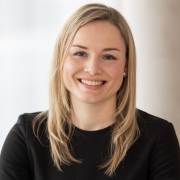
Interview with Investor Relations Manager Stefanie Mader
Investor Relations Managers act as a link between companies and capital market participants. Strong communication skills and a sound understanding of finance are essential for this role. In the following interview, Stefanie Mader provides insights into the responsibilities of an Investor Relations Manager and the skills and experience required for the job.
Ms Mader, you are an Investor Relations Manager at Austrian Post. What are the responsibilities of an IR Manager? What does the role involve?
Mader: As a listed company, Austrian Post is required to provide transparent information on its financial and non-financial performance. The Investor Relations department has primary responsibility for communications with the capital markets.
We are the main point of contact for shareholders, both institutional and retail, as well as analysts and potential investors. We regularly answer questions about business performance, strategy and key financial figures, so it is essential that we are always well informed. Our interactions range from brief phone calls to face-to-face meetings at roadshows and investor conferences.
Another key part of our work is preparing materials for our financial reporting dates, including quarterly and annual results. This requires close coordination with various departments, particularly Accounting and Controlling, which provide us with the relevant figures, as well as with the Management Board. Clear and consistent messaging is particularly important in building and maintaining the capital market’s trust over the long term.
What does a typical working day look like for you?
Mader: There is no standard daily routine in Investor Relations. Our day-to-day work is largely shaped by the financial calendar, particularly quarterly reporting and the Annual General Meeting.
Around our quarterly results, we prepare a wide range of materials, including the quarterly report, presentations, press releases and supporting Excel spreadsheets. These periods are particularly intensive and involve close coordination with many different stakeholders.
In general, our working day involves numerous meetings, coordination activities and calls, both internally and externally.
At the same time, many different tasks run in parallel, from managing the website and preparing social media posts and video shoots to conducting peer comparisons and organising events such as the Annual General Meeting or an event for retail shareholders.
What qualifications and skills do you need to work in Investor Relations?
Mader: A strong understanding of financial figures and excellent communication skills are essential for a career in Investor Relations.
We work with a wide range of stakeholders every day, from internal departments and the Management Board to investors, capital market professionals and journalists. It is therefore important to understand their different interests and information needs and to communicate appropriately with each audience.
A highly accurate and diligent approach to work is equally important. There is no room for error when publishing financial and non-financial information, as this information is directly scrutinised and assessed by the capital markets.
Are there any specific requirements that applicants should meet?
Mader: There is no single, predefined career path into Investor Relations. IR Managers come from a variety of professional backgrounds, often from communications or finance. These backgrounds reflect the two core competencies required in Investor Relations: the ability to understand and interpret a company’s key figures and the ability to communicate clearly and appropriately with different audiences.
A great deal is learned on the job, so learning by doing plays an important role. Above all, you need to be willing to familiarise yourself with new topics and continuously develop your knowledge and skills.
A proactive approach is also essential. You should be comfortable taking the initiative, assuming responsibility and working your way through complex topics.
Thank you very much for the interview!